

ONLINE PSYCHOLOGY CPD COURSEFoundations of
Therapy Talk
What we say may be subjective, but how we interact isn’t. Uncover how therapeutic talk is constructed and gain tools to understand, repair and guide better client interactions in this course.

APS-APPROVED CPD TRAINING
Uncover how therapeutic talk is constructed and gain practical tools to understand, repair and guide better client interactions in this introductory course.
WHAT’S INSIDE
6 hours of online CPD training
Tools designed to complement clinical practice
Guided activities, videos and data extracts
Feedback from Dr Amelia Church
Unlimited access to self-paced content
Certificate of completion for CPD records
6 hours of online CPD training.

Tools designed to complement clinical practice.

Guided activities, videos and data extracts


WHAT YOU’LL LEARNTherapeutic talk is collaborative —
discover the mechanics that make it work.
Psychologists understand what works from clinical experience. This introductory course helps therapists analyse how they use conversational cues predictably to create meaning and achieve therapeutic goals.
-
![TALK Research Conversation]()
Learn the building blocks of interaction
Explore the rules of talk to deepen your understanding of therapy as a co-constructed activity.
-
![TALK Research turns at talk]()
Recognise patterns that govern outcomes
Learn to identify and apply actions that can guide or repair client interactions.
-
![TALK Research evidence-based course and membership]()
Gain a new perspective on your clinical practice
Examine how the structures of everyday conversation leverage therapeutic progress.



APS-APPROVED CPD TRAINING
Uncover how therapeutic talk is constructed and gain practical tools to understand, repair and guide better client interactions in this introductory course.
WHAT’S INSIDE
6 hours of online CPD training
Tools designed to complement clinical practice
Guided activities, videos and data extracts
Feedback from Dr Amelia Church
Unlimited access to self-paced content
Certificate of completion for CPD records
COURSE OVERVIEWFive modules to build your understanding.
APS-APPROVED CPD TRAINING
Uncover how therapeutic talk is constructed and gain practical tools to understand, repair and guide better client interactions in this introductory course.
WHAT’S INSIDE
6 hours of online CPD training
Tools designed to complement clinical practice
Guided activities, videos and data extracts
Feedback from Dr Amelia Church
Unlimited access to self-paced content
Certificate of completion for CPD records
Real talk,
real outcomes.

WHAT's INSIDELearn at your own pace.
Every module features guided activities, videos, real-world data extracts and prompts for reflection with feedback from Dr Amelia Church.
01
TURN TAKING
Every interaction is governed by turns at talk. Understand the three systematic rules of conversation that structure, influence, and manage the foundation of clinical interactions.
02
SEQUENCES OF ACTION
Conversation is a series of social actions. Explore how contingent actions allow us to make sense of one another and provide the vehicle for therapeutic outcomes.
03
REPAIR
Repair allows us to maintain mutual understanding throughout a conversation. Identify these mechanisms to manage, moderate and improve the quality of psychologist-patient communication.
04
FORMULATIONS
Consider formulations as an interactional move. Examine how they are structured to constrain client responses and steer therapeutic talk in a meaningful direction.
05
INTERPRETATIONS
Examine how interpretations balance knowledge authority (epistemic stance) between the therapist and client to co-construct and negotiate meaning.
WHAT's INSIDELearn at your own pace.
Every module features guided activities, videos, real-world data extracts and prompts for reflection with feedback from Dr Amelia Church.
-
![TALK Research Course Module 1]()
TURN TAKING
Every interaction is governed by turns at talk. Understand the three systematic rules of conversation that structure, influence, and manage the foundation of clinical interactions.
-
![TALK Research Course Module 2]()
SEQUENCES OF ACTION
Conversation is a series of social actions. Explore how contingent actions allow us to make sense of one another and provide the vehicle for therapeutic outcomes.
-
![TALK Research Course Module 3]()
REPAIR
Repair allows us to maintain mutual understanding throughout a conversation. Identify these mechanisms to manage, moderate and improve the quality of psychologist-patient communication.
-
![TALK Research Course Module 4]()
FORMULATIONS
Consider formulations as an interactional move. Examine how they are structured to constrain client responses and steer therapeutic talk in a meaningful direction.
-
![TALK Research Course Module 5]()
INTERPRETATIONS
Examine how interpretations balance knowledge authority (epistemic stance) between the therapist and client to co-construct and negotiate meaning.





SELF-PACED LEARNING
+ UNLIMITED ACCESS
SELF-PACED LEARNING + UNLIMITED ACCESS
Start guiding better client interactions.
APS-APPROVED CPD TRAINING
Uncover how therapeutic talk is constructed and gain practical tools to understand, repair and guide better client interactions in this introductory course.
WHAT’S INSIDE
6 hours of online CPD training
Tools designed to complement clinical practice
Guided activities, videos and data extracts
Feedback from Dr Amelia Church
Unlimited access to self-paced content
Certificate of completion for CPD records

WHY IT WORKSEvidence-based practices informed by real therapy.
Observe patterns in actual therapy data through the lens of research in conversation analysis.
This course offers deeper insight into how we understand one another and equips psychologists with proven interaction tools to shape meaningful change.
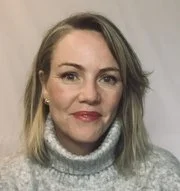
BEHIND THE COURSETaught by Dr. Amelia Church.
Dr Amelia Church is a published author, keynote speaker and conversation analyst.
Her work is dedicated to understanding interactions and improving the quality of communication in meaningful ways.
Frequently asked questions.
-
TALK Research’s foundation course and resources benefit all psychology professionals, counsellors, graduates and researchers. This includes those practising cognitive behavioural therapy, dialectical behaviour therapy, interpersonal psychotherapy, psychodynamic therapy, acceptance and commitment therapy and humanistic therapy.
-
Yes. You will receive a certificate of completion for your CPD records once you finish all course content.
-
Conversation analysis helps psychologists understand how verbal and nonverbal elements of talk facilitate client progress. Rather than base communication professional development on role play, TALK Research’s training provides accurate data and a new understanding of how we manage conversation interactions.
-
Our CPD training helps psychologists understand interactions, apply practical techniques to repair misunderstandings, design formulations, and pursue goals while maintaining a positive therapeutic relationship.
-
TALK Research draws on research in conversation analysis and discursive psychology. It is informed by empirical, observable data based on what psychology practitioners do and how clients typically respond to particular types of actions.
-
Talk refers to the verbal and non-verbal resources speakers draw on in interactions, such as pauses, shifts in tone and how speakers build on the actions of others.
SELF-PACED LEARNING
+ UNLIMITED ACCESS
SELF-PACED LEARNING + UNLIMITED ACCESS
Gain access to the only course for psychologists by a conversation analysis expert.
APS-APPROVED CPD TRAINING
Uncover how therapeutic talk is constructed and gain practical tools to understand, repair and guide better client interactions in this introductory course.
WHAT’S INSIDE
6 hours of online CPD training
Tools designed to complement clinical practice
Guided activities, videos and data extracts
Feedback from Dr Amelia Church
Unlimited access to self-paced content
Certificate of completion for CPD records